“`html
Exploring the Differences Between Virtual and Augmented Reality
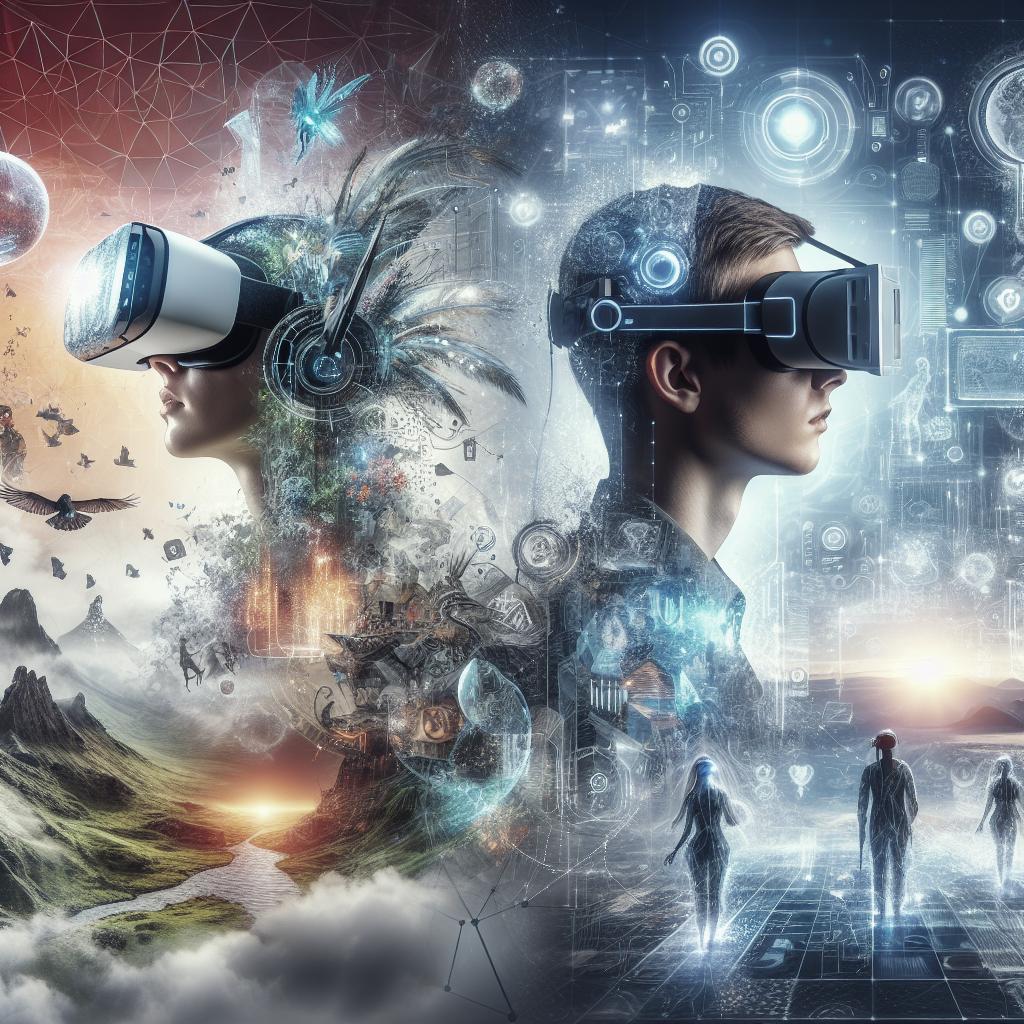
The digital landscape is rapidly evolving, presenting innovative technologies like Virtual Reality (VR) and Augmented Reality (AR) at the forefront of immersive experiences. As these technologies advance, understanding their distinctions and potentials becomes crucial for enthusiasts and professionals alike. This article delves into the core aspects of VR and AR, exploring the state-of-the-art headsets that drive VR, the subtle yet impactful enhancements brought by AR, and the bridge of functionalities known as Mixed Reality (MR). Furthermore, it examines the trajectory of these technologies, spotlighting future trends and developments. Whether you’re an avid gamer, a tech aficionado, or simply curious about this digital shift, these insights will help you grasp the unique features and combined possibilities of VR and AR.
What Is Virtual Reality?
Virtual Reality (VR) offers a completely immersive digital experience by simulating environments that users can explore and interact with. Through advanced hardware, such as VR headsets and hand-held controllers, VR creates the illusion of being present in a digitally constructed world. Over the years, VR has evolved significantly, expanding its applications beyond gaming into fields like education, healthcare, and real estate. These virtual environments can replicate real-world spaces or fabricate fantastical realms, offering endless possibilities for exploration and interaction.
The technology relies on head-mounted displays that block out the physical world, replacing it with a computer-generated environment. Sophisticated motion tracking ensures that users’ perspectives alter in sync with their physical movements, enhancing the sense of presence. The immersive nature of VR has made it an appealing tool not just for recreation but for training and therapeutic applications, exemplifying its versatility across various sectors.
Top VR Headsets
The VR headset market features a range of options, varying in capabilities and user experiences. Leading the charge are devices like the Oculus Quest 2, known for its wireless functionality and accessibility. Equipped with six degrees of freedom tracking, it allows users to move naturally within a virtual space without being tethered to a computer. Another prominent device is the HTC Vive Pro, offering exceptional display quality and a robust tracking system, ideal for a premium VR experience.
PlayStation VR also carves out a niche in the gaming industry by integrating with the PlayStation console ecosystem, bringing VR to a broader audience. Meanwhile, Valve Index boasts cutting-edge features such as tactile finger-tracking controllers and a high refresh rate for an incredibly smooth experience. These devices illustrate the evolving landscape of VR technology, each contributing uniquely to the advancement of immersive digital experiences.
What Is Augmented Reality?
Augmented Reality (AR) enhances real-world environments by overlaying digital information and graphics onto physical surroundings. Unlike VR, which replaces reality entirely, AR augments the user’s perception by adding digital elements to their view, usually through devices like smartphones, tablets, or specialized AR glasses. This integration creates a composite view that enriches user experience in real time.
In everyday applications, AR is widespread, from offering interactive navigation systems to enhancing marketing engagements through interactive advertisements. Popular examples include apps like Pokémon GO, which blends digital creatures with real locations, and different camera filters that overlay social media visuals with creative effects. AR continues to revolutionize fields such as retail, healthcare, and education, providing practical enhancements to real-world tasks and learning experiences.
The Middle Ground: Mixed Reality
Mixed Reality (MR) synthesizes features from both VR and AR, intertwining the physical and digital worlds more seamlessly. It allows users to interact with digital and physical objects in real time, offering exciting new opportunities for engagement and innovation. Unlike AR’s basic overlay, MR enables a deeper interaction between real and virtual elements, creating a more cohesive mixed experience.
Microsoft’s HoloLens showcases MR’s potential by providing users the ability to manipulate holograms within their physical environment. Such devices utilize advanced sensors and AI to accurately map and respond to the real-world surroundings, allowing for a dynamic interaction between users and mixed reality spaces. These capabilities open new frontiers in fields ranging from design to advanced scientific research, emphasizing the versatile applicability of MR technology.
Recommended by Our Editors
As AR, VR, and MR technologies continue to evolve, understanding their distinctions and potential can significantly enhance your engagement with digital environments. Our editors recommend exploring a variety of devices and applications to find the best fit for your interests and professional needs. Whether you’re delving into VR for immersive gaming, utilizing AR for educational purposes, or experimenting with MR for creative projects, remaining informed and adaptive is key to maximizing these cutting-edge technologies.
Staying current with the latest updates and trends is easier with resources like tech blogs, forums, and specialized publications. By connecting with communities and participating in online discussions, you can gain valuable insights and recommendations tailored to your requirements.
Looking Towards the Future
The future of VR and AR is bright, with technological advancements pushing the boundaries of what’s possible in virtual and augmented experiences. As the hardware improves and the software algorithms become more sophisticated, we can anticipate more seamless, detailed, and realistic integrations of these technologies into everyday life. Developments like 5G connectivity and AI enhancements are set to enhance the performance and accessibility of both AR and VR.
Moreover, cross-disciplinary collaborations are likely to emerge, blending VR and AR with fields like artificial intelligence, the Internet of Things (IoT), and spatial computing. These synergies could lead to innovations in smart cities, telepresence, remote work, and personalized learning systems. As industries adapt to these new capabilities, the role of VR and AR will become increasingly significant in shaping the digital landscape and human experiences.
Get Our Best Stories!
Stay updated with the latest in VR and AR technologies by subscribing to our newsletter. Get insights, reviews, and exclusive content delivered straight to your inbox. Don’t miss out on the opportunity to stay ahead with the top stories and trends in digital innovation.
Subscribe today to access experts’ reviews, application highlights, and technology breakthroughs that can enhance your understanding and engagement with virtual and augmented realities.
About Will Greenwald
Will Greenwald is a seasoned technology journalist with a passion for immersive digital experiences. With over a decade of experience covering the tech industry, Will has a keen understanding of VR, AR, and MR technologies. His articles, insightful reviews, and editorials are widely recognized for their depth and clarity.
Will’s commitment to making complex technology accessible to a broad audience drives his work, inspiring readers to engage with and explore the potential of emerging digital landscapes. Follow his writings to gain expert perspectives and articles on the evolving intersection of technology and human experience.
Final Thoughts
| Aspect | Virtual Reality | Augmented Reality | Mixed Reality |
|---|---|---|---|
| Definition | Fully immersive digital environments | Digital overlays on physical surroundings | Interaction between real and digital objects |
| Main Devices | VR Headsets (e.g., Oculus Quest 2, HTC Vive Pro) | Smartphones, AR Glasses | HoloLens, similar devices |
| Applications | Gaming, training, therapy | Navigation, marketing, retail | Design, research, innovation |
| Future Prospects | Enhanced realism, broader applications | Real-time enhancements, wider usage | Deep integration in various fields |
“`