“`html
The Basics of Digital Forensics
Digital forensics is a crucial field that intersects with law enforcement, cybersecurity, and the corporate world. Its primary aim is to uncover and preserve evidence from digital devices that could be crucial in legal contexts. As the digital landscape broadens, distinguishing it from related concepts like e-discovery is essential. Understanding the framework, goals, and processes behind digital forensics can provide insights into its application, tools, and career opportunities. This article explores these facets and aims to offer foundational knowledge on the realm of digital forensics, essential for anyone interested in technology, law enforcement, or cybersecurity professions.
A Working Definition of Digital Forensics
Digital forensics refers to the process of recovering, analyzing, and presenting data found on digital devices. These devices can range from computers and smartphones to complex server infrastructures and IoT devices. The science is not just about recovery; it also focuses on discovering how an event occurred and ensuring the information remains intact and reliable for future use, often in courtrooms.
As our reliance on technology grows, so does the advent of cybercrime and the consequent need for digital forensics. Forensic experts are like detectives in the digital world, piecing together evidence to form coherent narratives that help in solving cases. The field is dynamic, continuously evolving alongside advancements in technology.
The Difference between Digital Forensics and E-Discovery
While digital forensics and e-discovery both deal with digital evidence, they serve different purposes. Digital forensics is a more technical and scientific discipline focused on gathering evidence in a forensically sound manner to support legal cases. It involves methods that ensure evidence is collected per strict standards to preserve its integrity and admissibility in court.
On the other hand, e-discovery is more about lawyers combing through digital data during the legal discovery process. It involves sifting through electronic documents, emails, and other records for relevant information in civil litigation. E-discovery does not inherently require the deep technical expertise needed for digital forensics, although they can often overlap, particularly in court cases.
National Institute of Standards and Technology Definition of Digital Forensics
The National Institute of Standards and Technology (NIST) provides a detailed definition of digital forensics, identifying it as the process of preserving, collecting, validating, identifying, analyzing, interpreting, documenting, and presenting digital data. NIST defines it within the context of evidence collection to support legal proceedings.
NIST’s involvement underscores the rigorous standards needed for digital forensics. Their guidelines help establish consistency across the field, emphasizing the importance of methodological approaches to evidence retrieval and preservation. This supports the varying organizations in adhering to these standards, ensuring that digital forensics’ practices remain robust and legally compliant.
The Goals of Digital Forensics
The primary goal of digital forensics is to preserve essential evidence from electronic devices in a manner that ensures it can be used reliably in legal processes. Achieving this involves protecting the original data’s integrity throughout the investigation to prevent tampering and manipulation.
Another key objective is to piece together the events that led to the incident under investigation. This helps law enforcement and organizations understand the how, when, and why of digital crimes, leading to more informed decisions and potentially averting future incidents. The insights provided by digital forensics can also contribute to creating better security strategies.
Digital Forensics in Action
Real-world applications of digital forensics are numerous, ranging from criminal investigations to data breach analyses. For instance, law enforcement may use digital forensics to track digital footprints left by perpetrators through internet browsing histories, deleted files, or messaging applications.
In organizations, digital forensics can be instrumental in identifying the cause and scope of a cyberattack. By understanding an attack vector and evaluating affected systems, companies can mitigate losses, bolster their cybersecurity defenses, and enhance their incident response plans. Forensic techniques provide clarity and evidence needed for both preventive and reactive measures.
Digital Forensics and Cybersecurity
Digital forensics and cybersecurity are interconnected disciplines, both vital in protecting and investigating the digital landscape. Cybersecurity focuses on protecting systems and networks from attacks, primarily a preventive measure. In contrast, digital forensics steps in post-incident to unravel the details and scope of a breach or crime.
Effective cybersecurity strategies often incorporate digital forensics capabilities to improve incident response and recovery processes. By understanding potential weaknesses and how threats manifest, cybersecurity experts can reduce the risk of future incidents. The synergy between these fields ensures a comprehensive approach to digital protection and recovery.
The Digital Forensics Process
Digital forensics follows a structured process to ensure thorough and reliable evidence collection. The initial stage, preservation, involves isolating and protecting the data to prevent any alterations. This is crucial to maintain the evidence’s admissibility.
Following preservation, the next steps include analysis and reconstruction, where investigators extract and scrutinize data for insights, often employing advanced software tools to decipher encrypted or hidden information. Finally, the results are documented in detail and presented, usually within a legal context, underscoring the importance of clarity and precision in reporting.
What is a Digital Forensic Toolkit?
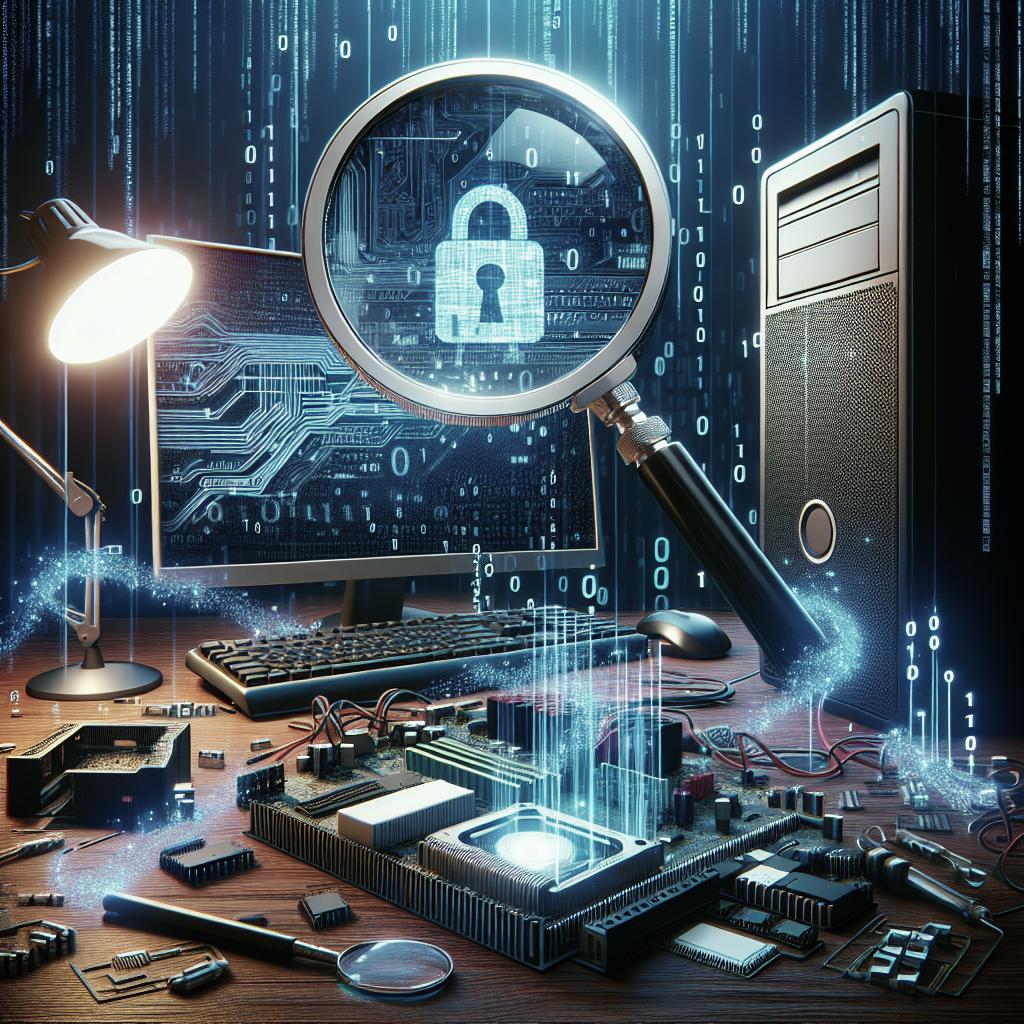
A digital forensic toolkit comprises specialized software and hardware used by investigators to uncover evidence from digital systems. This can include data recovery programs, encryption analyzers, and network forensic tools designed to delve into deleted, encrypted, or damaged files.
These tools are essential in ensuring that the digital forensics process is efficient and accurate. Many professionals also use hardware devices for copying and retrieving data without compromising the original source. Selecting the right toolkit depends largely on the investigator’s needs and the complexity of the case.
What Are Jobs in Digital Forensics?
The demand for digital forensic professionals is on the rise as organizations and governments seek to bolster their cybersecurity defenses. Roles in this field include forensic analysts, cybersecurity consultants, and incident response specialists. Each position requires a keen understanding of both technology and the legal standards governing digital evidence.
Career opportunities are diverse, ranging from positions within law enforcement agencies to roles in private corporations and consultancy firms. As technology evolves, the skill sets required will also expand, demanding continuous learning and adaptation from those pursuing careers in digital forensics.
Next Steps
| Aspect | Summary |
|---|---|
| Definition | Digital forensics involves recovering, analyzing, and presenting data from digital environments. |
| Digital Forensics vs E-Discovery | Digital forensics preserves evidence for legal cases, while e-discovery involves information retrieval during legal litigation. |
| NIST Guidelines | Define digital forensics with an emphasis on data validation and presentation standards. |
| Goals | Preservation and analysis of digital evidence, understanding events surrounding a digital crime. |
| Digital Forensics Process | Preservation, analysis, reconstruction, documentation, and presentation of data. |
| Toolkit | Comprises software and hardware for data recovery and analysis. |
| Careers | Growing field with roles in forensic analysis, cybersecurity, and incident response. |
“`