“`html
How to Use Drones for Photography
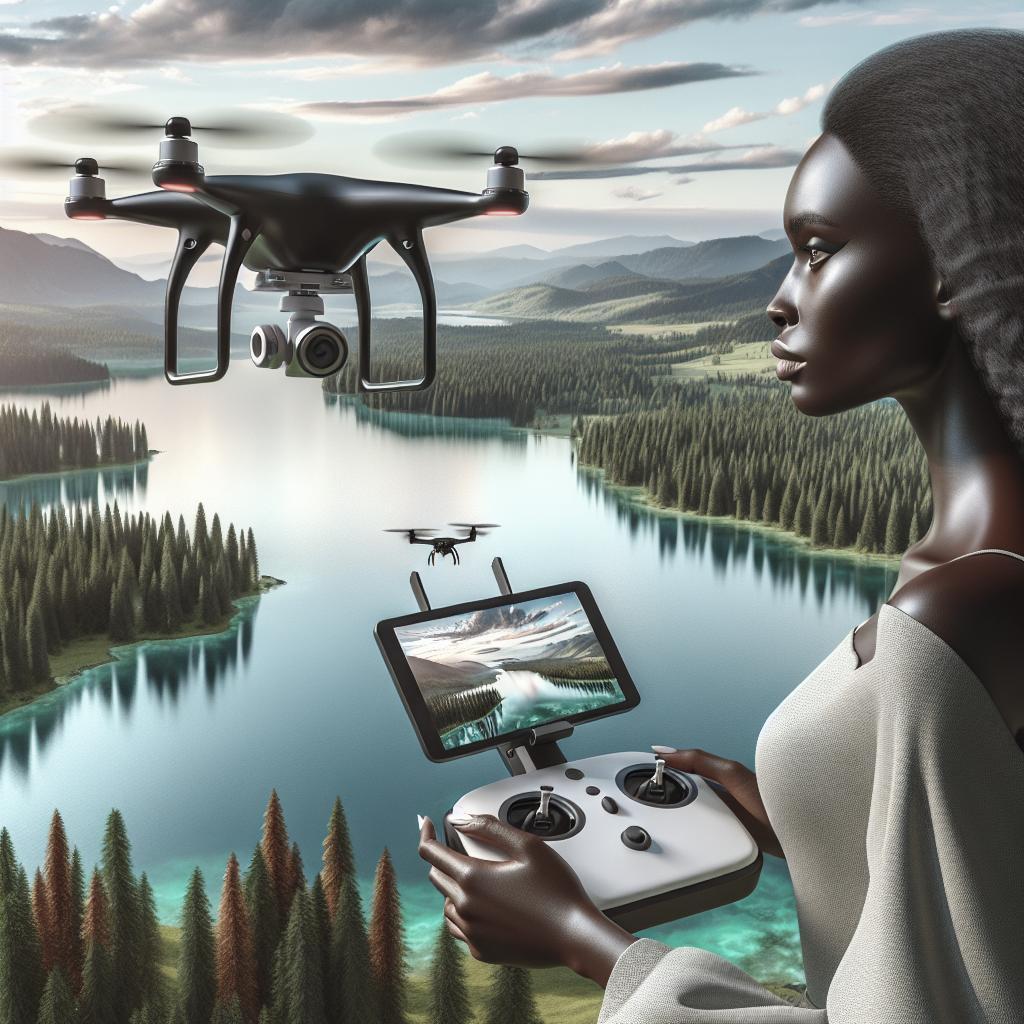
The advent of drones has revolutionized the world of photography and filmmaking, unlocking new creative possibilities and perspectives. This blog post explores the key aspects of utilizing drones effectively to enhance your photographic endeavors. With an understanding of the distinction between photography and filming, you can tailor your approach to capture stunning visuals. Flying with purpose ensures you make the most of every flight, while maintaining an optimal altitude can improve the creative quality of your shots. Drones allow you to reach vantage points previously unimaginable, but it’s vital to harness their power wisely. Master the art of drone photography by diving into the following detailed guide.
The Difference Between Photography and Filming
In the realm of aerial imagery, differentiating between photography and filming is crucial. Photography is all about capturing the perfect moment in a single frame, requiring an understanding of composition, lighting, and the ability to anticipate the right moment. Conversely, filming involves capturing a sequence of images over time, often telling a story or showcasing a subject from multiple angles.
When using a drone for photography, the emphasis should be on precision and capturing unique perspectives that ground-based photography might not allow. This could mean flying your drone to achieve the ideal angle or waiting patiently for the perfect lighting conditions. Meanwhile, filming with drones often involves planning the narrative flow, choosing smooth and controlled movements that tell a story effectively.
Fly With Purpose
Flying with purpose is about making informed decisions regarding each flight. Before you even lift off, have a clear vision of what you aim to capture. Consider the story you want to tell and how the aerial perspective will enhance your narrative. Planning your shots meticulously beforehand can prevent aimless flying and result in more impactful images.
Use pre-flight checklists and mapping software to scout your locations. Consider factors such as the time of day, weather conditions, and local regulations to optimize your flight plans. By maintaining an intentional approach, you’ll maximize the creative potential of your drone and ensure each battery charge leads to a meaningful outcome.
Don’t Go Too High Up in the Sky
While it may be tempting to take your drone to soaring heights, sometimes less is more. Flying too high can result in images that lose detail, context, and emotional resonance. Instead, focus on capturing subjects from a height that provides a new angle or perspective without sacrificing the richness of detail.
Additionally, staying lower can often result in more dynamic and engaging compositions that draw in viewers. Consider how features like buildings, trees, and varied terrain elements interact with the subject you’re photographing. Strike a balance with altitude to maintain the immersive quality of your imagery.
Reaching Impossible Vantage Points
One of the most compelling benefits of drone photography is its ability to reach previously impossible vantage points. Whether you’re capturing a city’s skyline from a unique angle or venturing into remote natural landscapes, drones enable visual storytelling that would be difficult or dangerous to achieve otherwise.
To take full advantage of these capabilities, experiment with angles and compositions that highlight uncommon perspectives. The freedom to position your camera virtually anywhere allows you to challenge visual norms and capture striking, memorable images. The key is to be creative in your approach while respecting the boundaries of safety and ethical drone use.
Use a Drone Wisely
Responsible and wise drone use is essential for both obtaining quality photographs and ensuring the safety and privacy of others. Always adhere to local laws and regulations, understanding no-fly zones and respecting the privacy rights of individuals.
Invest time in practicing your piloting skills to enhance your control over the drone. This will help minimize abrupt movements and vibrations, leading to smoother images. Lastly, maintain your equipment meticulously, ensuring the battery and propeller are in good condition before every flight. Consistent upkeep will not only prolong the lifespan of your drone but also ensure the reliability and quality of your photographic missions.
Lessons Learned
| Key Points | Summary |
|---|---|
| The Difference Between Photography and Filming | Utilize drones to capture singular strong images in photography, compared to fluid, storytelling sequences in filming. |
| Fly With Purpose | Pre-plan flights with creative intent to maximize the potential of each drone session. |
| Don’t Go Too High Up in the Sky | Maintain a balanced altitude to preserve detail and context, resulting in engaging compositions. |
| Reaching Impossible Vantage Points | Leverage drones to access and explore angles that are challenging or risky to attain manually. |
| Use a Drone Wisely | Adhere to legal guidelines and maintain your drone to achieve dependable and safe photographic endeavors. |
“`