“`html
Exploring the Features of Wearable Technology
The emergence of wearable technology has revolutionized the way we interact with the digital world, offering seamless integration into our daily lives. This blog post explores the multifaceted realm of wearable devices, starting with a foundational understanding of what wearable technology is and how it functions. We will delve into the diverse applications that these gadgets offer, ranging from health monitoring to augmented reality. As we uncover the history of wearable tech, you’ll gain insight into its evolution and the milestones that have shaped the industry. We’ll also highlight current examples of this technology in action and look ahead to the future developments and trends. Finally, an easy-to-skim table will summarize the key points discussed. Whether you’re a tech enthusiast or simply curious about the latest innovations, this article will provide a comprehensive overview of wearable technology and its profound impact on modern life.
What is wearable technology?
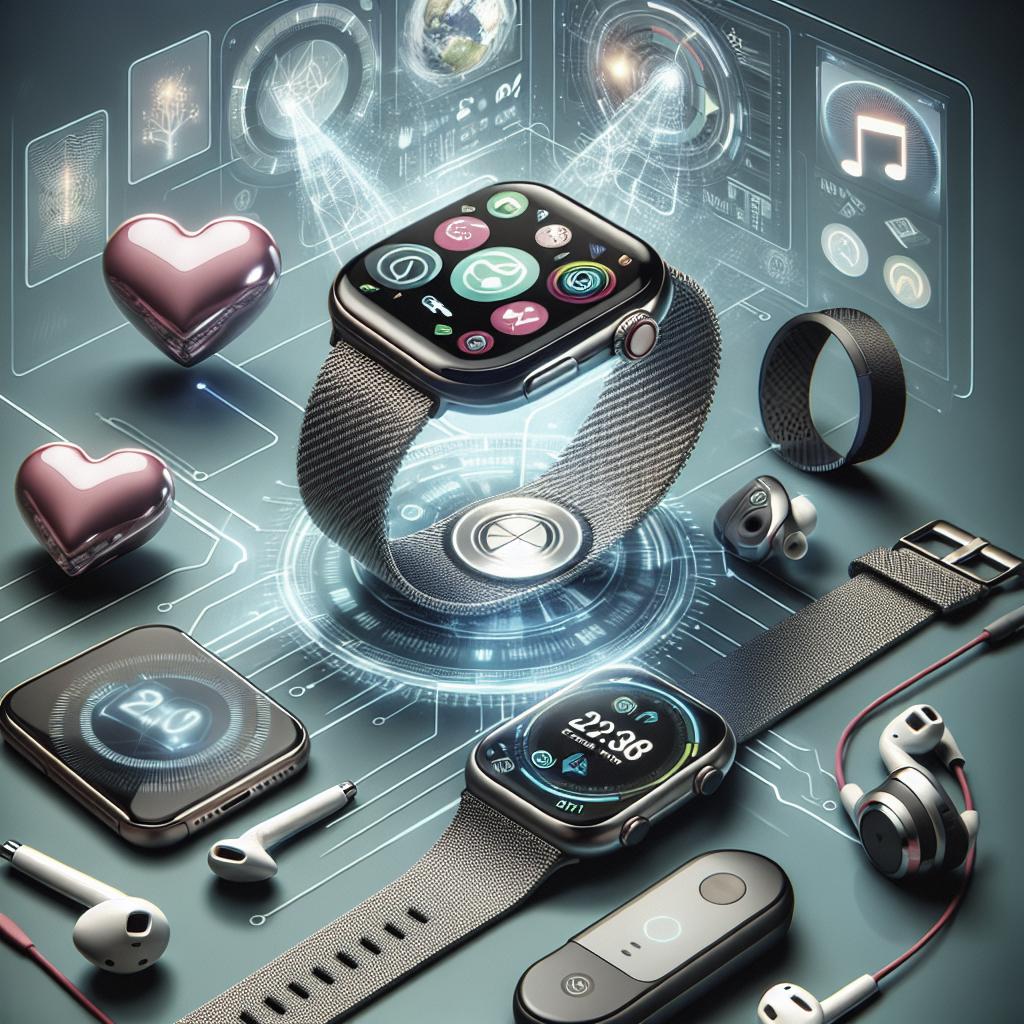
Wearable technology refers to electronic devices that are comfortably worn on the body to perform various tasks. These devices, also known as wearables, have become increasingly popular due to their ability to make our daily routines more efficient and enjoyable. They come in various forms like smartwatches, fitness trackers, smart jewelry, and even smart clothing, offering a wide range of functionalities that cater to different needs and preferences.
A key feature that defines wearable technology is its ability to connect with other devices, particularly smartphones, to relay data and provide insights in real-time. For example, a fitness tracker can monitor your heart rate and step count, syncing this information to an app on your phone. This interconnectivity not only enhances personal convenience but also advances the capabilities of these devices, making them indispensable tools for both individual and professional use.
How does wearable technology work?
Wearable technology primarily works through the use of sensors and software that allow the device to collect and process data. Sensors embedded in the device track various metrics such as movement, temperature, and biometric data, depending on the device’s purpose. This data is then processed and analyzed using sophisticated algorithms to provide meaningful insights and actionable feedback to the user.
Another important aspect of how wearables function is their wireless connectivity. Most wearable devices utilize Bluetooth, Wi-Fi, or similar technology to connect with smartphones and other devices. This connectivity allows them to synchronize data seamlessly, often in real-time, enabling users to access their data on multiple platforms. Additionally, advancements in battery life and miniaturization of components have made these devices more efficient and user-friendly, contributing to their widespread adoption.
What are some applications of wearable technology?
Wearable technology has a broad range of applications that extend into various fields. In healthcare, wearables are used to monitor vital signs like heart rate, blood pressure, and sleep patterns. These insights can significantly enhance personal health management and even alert users to potential health issues before symptoms arise. This proactive approach not only encourages a healthier lifestyle but also supports medical professionals in providing timely care.
Beyond health, wearable technology plays a significant role in entertainment and communication. From smart glasses that offer augmented reality experiences to headphones that incorporate virtual assistants, wearables make our interactions with technology more immersive and hands-free. Additionally, in the workplace, wearables can improve productivity and safety. For instance, wearable devices can track fatigue levels in workers and provide alerts to prevent accidents, making them valuable tools across industries.
Examples of wearable technology
Several prominent examples of wearable technology illustrate the breadth and functionality of these devices. Smartwatches like the Apple Watch and Samsung Galaxy Watch have become staples, offering features such as notifications, fitness tracking, and even ECG monitoring. These devices exemplify how wearables have integrated into daily life by acting as extensions of our smartphones.
Smart clothing and accessories are also making waves, such as fitness shirts that monitor muscular activity or shoes that track running performance. Smart glasses like Google Glass provide head-up displays for real-time information access, greatly enhancing productivity and user interaction with surroundings. These examples showcase the ongoing innovation within the wearable tech industry, highlighting how these devices continue to evolve and impress with new capabilities.
The history of wearable technology
The journey of wearable technology dates back to the mid-20th century, with early innovations like the hearing aid and the first wristwatch with computer capabilities developed in the 1980s. However, it was in the 2000s that wearable devices started to gain mainstream attention, with the advent of Bluetooth and more compact components that allowed for the design of multi-functional gadgets.
By the 2010s, devices like Fitbit and the Apple Watch marked significant milestones and propelled wearables into consumer consciousness. With an emphasis on health and connectivity, these devices set the stage for a robust ecosystem of products that catered to fitness enthusiasts and tech-savvy consumers alike. Today, the history of wearables reflects a trajectory of rapid innovation, driven by advances in technology and consumer demand for richer, more intuitive interface experiences.
The future of wearable technology
Looking ahead, the future of wearable technology is poised to be transformative. As trends indicate, we can expect further integration of artificial intelligence, making wearables smarter and more contextually aware. Devices will likely become more tailored to individual needs, using data-driven insights to offer personalized experiences and health recommendations.
Moreover, the introduction of 5G technology will enhance the connectivity of wearables, enabling faster data transfer and more seamless integration with IoT ecosystems. We might also witness innovations in smart fabrics and materials that are capable of generating energy, further reducing the need for external charging. As the boundaries of technology continue to expand, the future promises wearables that are not only more powerful but also more ingrained into the fabric of everyday life.
Summary of Main Points
| Section | Main Points |
|---|---|
| What is wearable technology? | Defined as electronic devices worn on the body, wearables enhance daily routines with interconnectivity and convenience. |
| How does wearable technology work? | Utilizes sensors and connectivity to collect data, providing real-time insights and interaction with other devices. |
| Applications of wearable technology | Ranging from health monitoring to augmented reality, wearables improve personal health, entertainment, and workplace productivity. |
| Examples of wearable technology | Smartwatches, smart clothing, and smart glasses illustrate diverse functionalities and continuous innovation in the industry. |
| History of wearable technology | From hearing aids to smartwatches, the evolution of wearables reflects ongoing innovation and increased consumer demand. |
| Future of wearable technology | Focusing on AI integration and better connectivity, the future promises more personalized and intuitive wearable experiences. |
“`