“`html
How to Handle E-Waste Responsibly
In today’s rapidly advancing technological landscape, electronic waste (e-waste) is an emerging environmental challenge. Discarded devices, from old smartphones to obsolete laptops, contribute significantly to landfills, potentially leaching harmful toxins and heavy metals into the environment. Responsible e-waste management is not just an environmental concern—it’s a global imperative. Understanding what constitutes e-waste, reducing it, exploring recycling options, and knowing how to secure data before disposal or donation are crucial steps for responsible e-waste handling. This blog post will walk you through these steps, offering practical advice and resources for managing your gadgets sustainably.
Understand What Makes Up E-Waste
E-waste comprises any and all electronics that are at the end of their useful life. This includes a wide range of products like mobile phones, computers, televisions, and many other home appliances. Understanding what makes up e-waste is fundamental because many of these products contain hazardous materials such as mercury, lead, and cadmium, which can harm the environment if not disposed of properly.
Aside from hazardous materials, e-waste also contains valuable resources that can be recovered and reused, such as gold, copper, and silver. Hence, responsible handling of e-waste means reducing environmental impact while also tapping into the potential of these materials for further use. It begins with being informed about the materials embedded within our devices and the proper channels for their disposal.
Reduce Your E-Waste
One of the first steps in dealing with e-waste responsibly is simply by minimizing the amount of electronic waste you create. Embrace practices such as buying electronics only when necessary, choosing products with longer lifespans, and opting for items that are easily repairable. Reducing e-waste starts with the choices made when purchasing new gadgets.
Additionally, extend the life of your existing electronics through repairs and upgrades. By updating software and replacing individual components, you can effectively enhance the functionality and longevity of your devices, thus reducing the frequency with which you need to replace them.
Explore Recycling Programs
An effective way to manage e-waste is by tapping into recycling programs available in your area. Many municipalities have designated drop-off points and scheduled events where you can safely dispose of e-waste. These programs are designed to ensure that electronics are disposed of in a manner that is environmentally friendly.
Local government websites often list available recycling programs and provide guidelines on how to prepare your gadgets for recycling. Research these options to ensure that your old devices are handed over to responsible organizations that comply with e-waste regulations.
Use E-Waste Recycling Centers
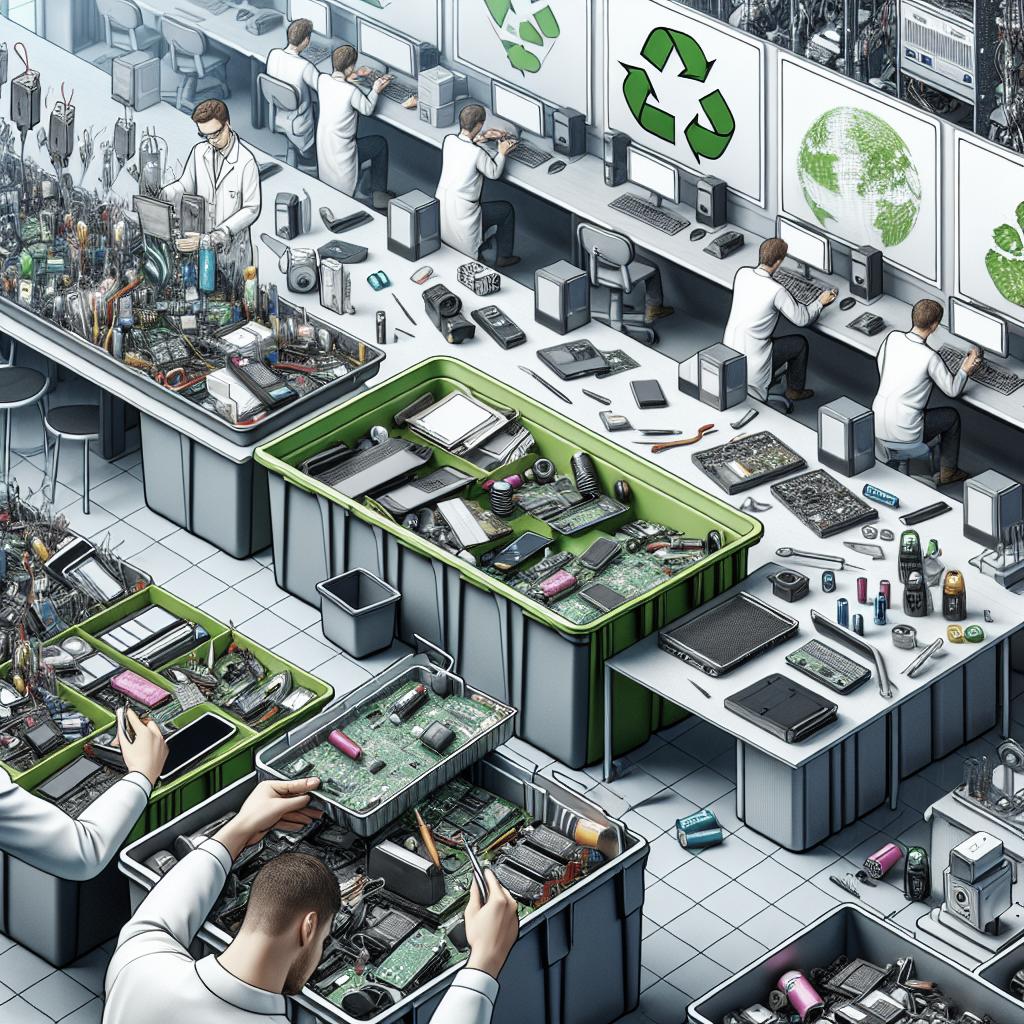
Specialized e-waste recycling centers exist to manage the disposal and recycling of electronic waste efficiently. They offer the infrastructure and expertise required to safely dismantle electronics, recover valuable materials, and dispose of hazardous components.
Locate an e-waste recycling center near you by using online resources or local directories. Visiting a certified e-waste recycler ensures your old gadgets are responsibly managed, thereby contributing to a reduced environmental impact.
Consider Donating or Selling Functioning Devices
If your electronic device is still functional, consider donating it to someone who may need it. Many non-profit organizations and schools accept electronics as donations to bridge technology gaps.
Alternatively, you can sell functional devices through online platforms or marketplaces. This not only helps reduce e-waste but can potentially earn some money back too. Always remember to securely erase personal data before donating or selling any device.
Dispose of Batteries Separately
Batteries deserve special attention as they require separate disposal methods due to the toxic components they contain. Many electronic devices have rechargeable or replaceable batteries that should be handled with care.
Find battery recycling options in your local area, such as dedicated drop-off bins or hazardous waste collection sites, to ensure proper disposal. This practice helps minimize the environmental hazards associated with improper battery disposal.
Try Manufacturer Take-Back Programs
Several electronics manufacturers offer take-back programs that facilitate the recycling or disposal of their products. These programs often allow consumers to return used electronics directly to the company, ensuring they are recycled or disposed of responsibly.
Before buying a new device, research if the manufacturer provides a take-back scheme. This proactive approach supports responsible production and disposal, encouraging manufacturers to manage the environmental impact of their products.
Opt for Certified E-Waste Recyclers
When choosing a recycling partner for your e-waste, prioritize certified e-waste recyclers. Certifications such as e-Stewards or R2 guarantee that these facilities adhere to stringent environmental and safety standards in handling e-waste.
This ensures that the recycling process is both ethically sound and environmentally sustainable. Certified recyclers offer the peace of mind that your gadgets are being handled in an eco-friendly and responsible manner.
Educate Your Office or Household
Creating awareness about the importance of responsible e-waste management within your office or household is crucial. Educate others about the impacts of e-waste and the proper ways to handle it.
By fostering an environment of responsibility and awareness, you empower those around you to take active steps in managing electronic waste, leading to healthier collective impact on the environment.
Repurpose or Upcycle
Repurposing or upcycling old electronics is an innovative way to extend their lifecycle. Creative projects, like converting old phones into security cameras or turning outdated computer parts into home decor, can give new life to otherwise discarded gadgets.
Explore online DIY resources and communities that provide guidance and inspiration on how to creatively upcycle obsolete electronics. This not only curbs waste but also allows for creative and practical use of materials.
Encourage Manufacturer Responsibility
Consumers have significant power in influencing manufacturers to adopt sustainable practices. Support brands that prioritize sustainability and actively encourage others to seek accountability from electronics manufacturers regarding their environmental policies.
Active involvement from both consumers and manufacturers in creating environmentally conscious products and recycling programs can significantly alter the landscape of e-waste management, leading to more sustainable solutions.
Make Sure to Secure Data Before Disposal, Sale, or Donation
Ensuring the security of your personal data before disposing of or donating electronics is paramount. Begin by backing up important files and data from the devices you’re planning to get rid of.
Next, perform a factory reset or use specialized software to erase all personal data securely. This practice prevents data breaches and protects your privacy, ensuring only the disposal or transfer of the electronic device, not your personal information.
Get Help Backing Up & Cleaning Devices
If you’re unsure about how to back up or erase your device data securely, seek help from tech-savvy friends, family, or professional services. Many local electronic stores offer services to help backup and clean electronic devices prior to donation or recycling.
Being thorough with this step helps maintain data security and integrity, allowing you peace of mind as you responsibly dispose of or donate your old electronics.
Final Thoughts
| Step | Description |
|---|---|
| Understand What Makes Up E-Waste | Learn about the materials in your devices and their environmental impact. |
| Reduce Your E-Waste | Minimize waste by buying mindfully and extending device life through repairs. |
| Explore Recycling Programs | Research local programs for proper e-waste disposal. |
| Use E-Waste Recycling Centers | Leverage facilities for environmentally responsible e-waste management. |
| Consider Donating or Selling Functioning Devices | Give functional devices a new life by donating or selling. |
| Dispose of Batteries Separately | Use dedicated methods for battery disposal to prevent toxic leakage. |
| Try Manufacturer Take-Back Programs | Participate in programs for manufacturers to recycle their products. |
| Opt for Certified E-Waste Recyclers | Ensure environmentally friendly disposal through certified centers. |
| Educate Your Office or Household | Promote awareness for responsible e-waste management practices. |
| Repurpose or Upcycle | Give new uses to outdated items, curbing e-waste creatively. |
| Encourage Manufacturer Responsibility | Support and demand sustainable practices from producers. |
| Secure Data Before Disposal, Sale, or Donation | Protect personal data before passing on devices. |
| Get Help Backing Up & Cleaning Devices | Seek expert help if needed, to ensure data integrity. |
“`